
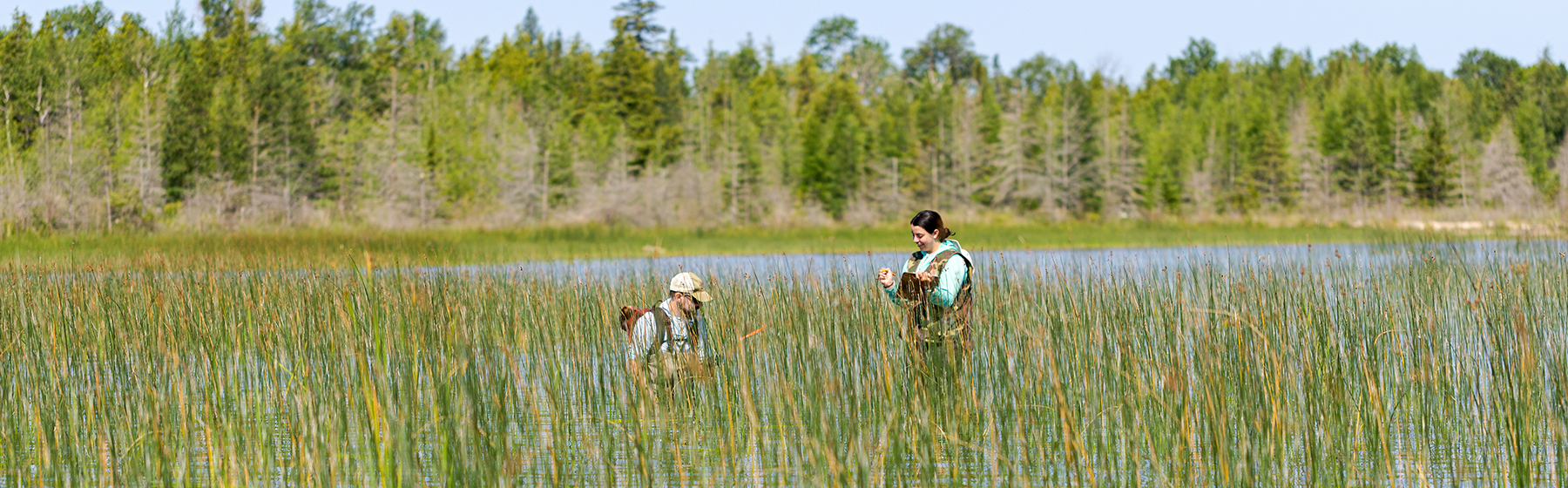
6-Research overview
Impactful research informs sustainability and equity initiatives
SES investigators conduct applied research to help policy makers, land managers, and community advocates make informed decisions about issues impacting sustainability, community health, and equity. These highlights offer a glimpse into their impactful research.
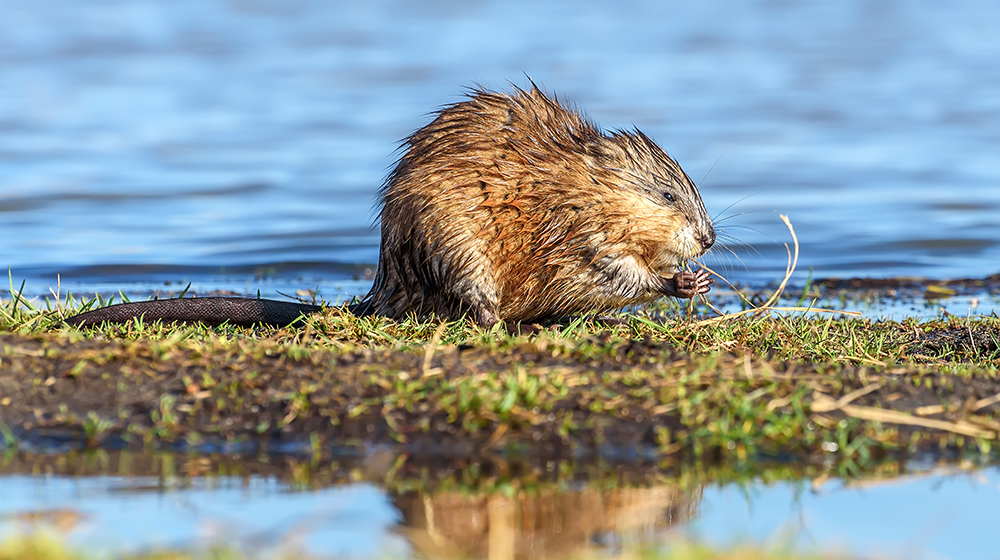
The role of muskrats in controlling invasive wetland plants
Shane Lishawa, MS, an SES senior research associate studied how muskrat activities impact wetland habitats. He and his collaborators found that the semiaquatic rodents could play a vital role in managing invasive plants, contributing to efforts to restore wetlands in the Great Lakes region.
Read more
Enhancing collaborations to support food security
Associate Professor Tania Schusler, PhD, and SES graduate program alum Dikshya Dahal (MS' 23) examined how Chicago-area organizations collaborated to address food insecurity during the COVID-19 pandemic. Their findings emphasize the importance of relationship-building and equitable resource-sharing in withstanding food system disruptions.
Read more
Strategies for preventing environmental gentrification
SES faculty members Tania Schusler, PhD, and Richard (Max) Melstrom, PhD, each published research exploring how cities can create a healthier, greener environment without driving gentrification. Their work offers insights for balancing sustainability and social equity.
Read more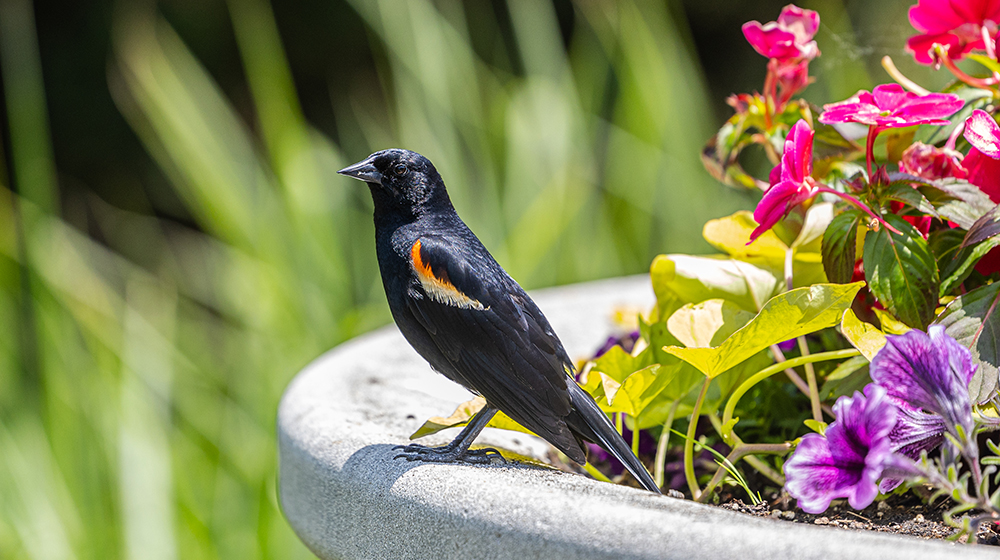
Using birds killed in building collisions to study forever chemicals in wild birds
Scientists recognize the need to understand how per- and polyfluoroalkyl substances (PFAS), also known as "forever chemicals," impact people and ecosystems. Assistant Professor Gordon Getzinger, PhD, published results from a study that used birds killed in building collisions to understand PFAS exposure in various bird species.
Read more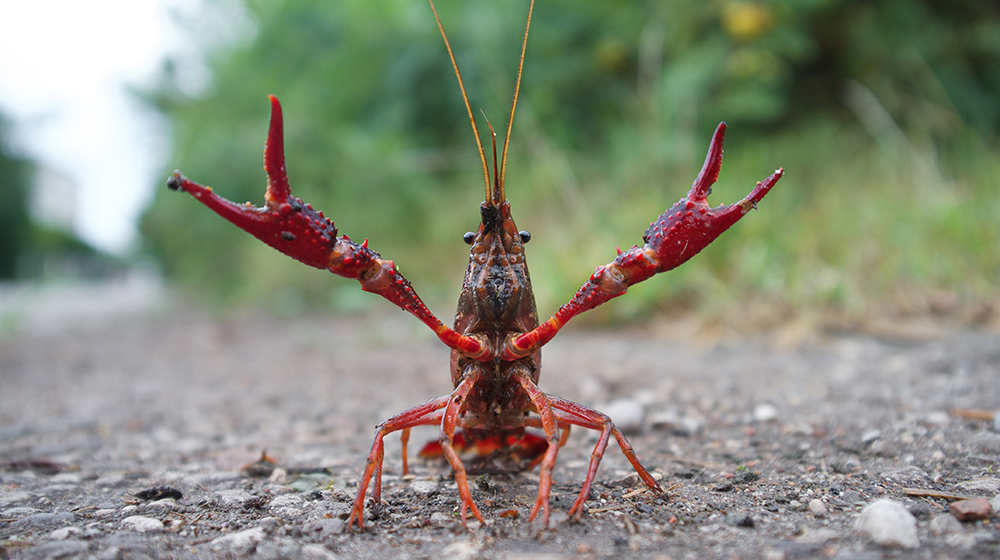
Managing the arrival and spread of aquatic invasive species
Invasive species are the most significant driver of biodiversity and economic losses in the Great Lakes ecosystem. The Keller lab, led by Professor Reuben Keller, PhD, published two papers that provide novel insights for managing the arrival and spread of invasive species in the Great Lakes.
Read more